3519 SOUTH MAIN STREET New Castle, IN

High-Risk Occupation Life Insurance Underwriting Guide Securing adequate life insurance is a cornerstone of responsible financial planning, providing peace of mind and security for loved ones
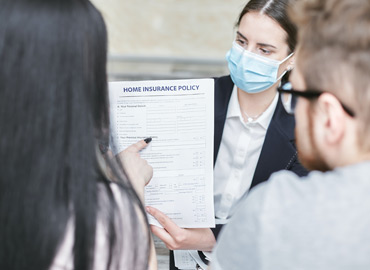
High-Risk Occupation Life Insurance Underwriting Guide Securing adequate life insurance is a cornerstone of responsible financial planning, providing peace of mind and security for loved ones
For individuals in high-risk occupations, however, the path to obtaining coverage can seem daunting. Professions categorized as high-risk—such as commercial fishing, logging, aviation, construction, firefighting, law enforcement, and deep-sea welding—present unique challenges in the underwriting process. This guide demystifies life insurance underwriting for high-risk occupations, outlining key considerations, strategies for success, and what to expect.
Understanding Risk Classification
Insurance companies assess risk based on statistical mortality data. A high-risk occupation is one where the likelihood of a fatal workplace accident is significantly higher than the national average. Underwriters don’t just look at the job title; they evaluate the specific duties, work environment, safety protocols, and amount of time spent in hazardous conditions.
Common High-Risk Categories Include:
* Extreme Physical Danger: Logging, ironworking, roofing, commercial fishing.
* Transportation: Pilots (especially test or crop-dusting), long-haul truck drivers, maritime workers.
* Public Safety: Police officers, firefighters, corrections officers.
* Travel & Location: Foreign correspondents, workers in high-conflict zones.
The Underwriting Process for High-Risk Occupations
The process is more detailed but follows the same fundamental principles as standard underwriting.
Always be completely transparent about your job duties. Misrepresenting or omitting the risks of your profession is grounds for claim denial later. Describe your daily tasks in detail on the application.
Underwriters will delve deeper into:
* Specific Duties: Do you work at great heights? Handle explosives? Operate heavy machinery?
* Safety Measures: What personal protective equipment (PPE) is used? What is the company’s safety record and training protocol?
* Time Exposure: What percentage of your workweek is spent in the highest-risk activities?
* Aviation & Hobbies: For pilots, details on type of aircraft, hours flown, and purpose (commercial, private, recreational) are critical. Dangerous hobbies (e.g., rock climbing, skydiving) are also factored in.
Your health is still a primary factor. Excellent health can help offset some occupational risk. Expect a full medical exam, blood work, and detailed health history review.
Potential Outcomes & Rating Classes
Based on the combined assessment of health and occupation, you will be placed into a rating class:
* Standard/Preferred: Possible for some moderate-risk jobs if health is excellent and safety records are strong.
* Table Ratings (Substandard): This is common. The insurer adds an extra premium (“table rating”) to the standard rate. You might be rated as “Standard + 50%” or “Table B,” indicating a higher premium based on actuarial risk tables.
* Flat Extra Fee: A specific dollar amount is added to the premium per thousand dollars of coverage, often used for very specific, temporary, or extreme risks.
* Exclusion Riders: In some cases, a policy may be issued with an exclusion for death resulting directly from the high-risk occupational duties. Carefully review any exclusions.
* Declination: In the most extreme cases, traditional insurers may decline coverage.
Strategies for Securing the Best Coverage
Some insurance companies specialize in or are more favorable toward high-risk occupations (e.g., companies familiar with unionized trades, public safety, or aviation). An independent insurance broker who works with multiple carriers is invaluable here.
Leverage employer-sponsored group life insurance. These plans often do not require medical underwriting or occupational ratings for the base coverage, though they may have lower maximums.
Consider supplementing a standard or rated life policy with a separate accident insurance policy, which pays a benefit specifically for accidental death or dismemberment.
You can’t change your job title, but you can maximize your health. Quitting tobacco, maintaining a healthy weight, and controlling cholesterol and blood pressure can improve your rating.
Offer evidence of safety training, certifications, and your employer’s safety program. This demonstrates risk mitigation to the underwriter.
These policies ask few or no health questions and have no occupational exclusions, but they come with lower coverage limits and higher premiums per dollar of benefit. They are a last-resort option.
Key Questions to Ask Your Agent or Broker
* “Which carriers have the most favorable underwriting for my specific profession?”
* “How will my specific duties affect the premium?”
* “Are there any occupational exclusions in the policy?”
* “Is an accidental death benefit rider available or advisable?”
* “What is the insurer’s claims history with my occupation?”
Conclusion
While securing life insurance in a high-risk occupation requires more effort and may cost more, it is far from impossible. Success hinges on transparency, working with knowledgeable professionals, and targeting the right insurance carriers. By understanding the underwriting landscape and proactively presenting your case—highlighting both the realities of the risk and the measures taken to mitigate it—you can secure the vital financial protection your family deserves. Start the process early, compare multiple offers, and ensure the policy you choose provides the necessary security for your unique life and livelihood.


