3519 SOUTH MAIN STREET New Castle, IN

Mobile Home Insurance for Manufactured Housing Parks: A Comprehensive Guide Manufactured housing parks, often known as mobile home communities, offer an affordable and flexible path to homeownership
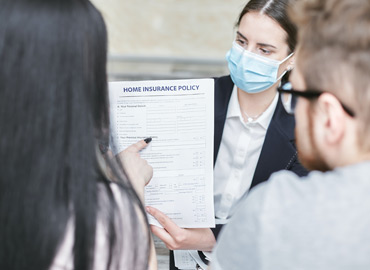
Mobile Home Insurance for Manufactured Housing Parks: A Comprehensive Guide Manufactured housing parks, often known as mobile home communities, offer an affordable and flexible path to homeownership
However, insuring a home in these communities comes with unique considerations that differ from traditional site-built houses. Understanding the nuances of mobile home insurance is crucial for protecting your investment, your belongings, and your financial future.
Understanding the Unique Risks
A manufactured home in a community park faces a distinct set of risks. While it shares many standard perils with traditional homes—like fire, theft, and wind damage—its physical nature and location create specific vulnerabilities.
* Physical Structure: Built to HUD code and often elevated on piers, manufactured homes can be more susceptible to certain types of wind, freeze, and transportation damage during relocation.
* Community Setting: Proximity to neighboring homes increases exposure to risks like a fire spreading from another unit. Shared community infrastructure (water lines, electrical grids) can also be a factor.
* Ownership Model: You typically own the home but rent the land (lot) from the park owner. This split responsibility is the cornerstone of insurance needs.
The Two-Part Insurance Puzzle:
Dwelling vs. Land
This is the most critical concept for manufactured housing park residents. Insurance responsibility is divided:
You are responsible for insuring the physical structure of your home (the dwelling), your personal belongings inside, and your personal liability. This is where a specialized mobile home insurance policy comes in.
The park owner or management company is responsible for insuring the common areas, the land itself, and the infrastructure (like community buildings, pools, and shared utility lines up to the hook-up point at your lot). Their policy does not cover your home or possessions.
Key Coverages in a Mobile Home Insurance Policy
A robust policy, often called a “manufactured home policy” or “mobile home policy,” should include:
* Dwelling Coverage: This covers the structure of your home, including permanently attached additions like carports or decks, from named perils (e.g., fire, hail, windstorm, vandalism). Ensure your coverage limit reflects the home’s current replacement cost, not just its market value.
* Other Structures: Coverage for detached structures on your leased lot, such as a shed or detached garage.
* Personal Property: Reimbursement for the contents of your home—furniture, electronics, clothing, and appliances.
* Loss of Use/Additional Living Expenses (ALE): Pays for temporary housing (like a hotel) and living costs if your home is uninhabitable due to a covered loss.
* Personal Liability Protection: Crucial coverage if someone is injured on your leased lot or if you accidentally cause damage to a neighbor’s property. Minimum limits of 0,000 are strongly recommended.
* Medical Payments: Covers minor medical bills for guests injured on your property, regardless of fault.
* Trip Collision Coverage (Optional but Vital): If you ever need to move your home, this optional add-on covers damage sustained during transportation—a risk not covered by standard policies.
Mandatory Requirements and Park Rules
Many manufactured housing parks have mandatory insurance requirements written into the lease or community rules. They often stipulate:
* A minimum amount of dwelling and liability coverage.
* That the park must be named as an “Additional Interest” or “Certificate Holder” on your policy. This means your insurer will notify the park if your policy lapses or is canceled. The park is not covered by your policy but has a financial interest in ensuring your home is insured.
* Specific perils that must be covered, such as windstorm or hail.
Always review your community’s rules and lease agreement carefully before purchasing insurance.
Tips for Getting the Right Coverage
Seek insurers who specialize in manufactured or mobile home insurance. They better understand the unique valuation and risk factors.
Opt for “replacement cost” coverage for both dwelling and personal property, not “actual cash value” (which deducts for depreciation).
Document your belongings with photos or video to streamline the claims process.
Inquire about discounts for safety features (smoke alarms, deadbolts), claim-free history, bundling with auto insurance, or being a senior citizen.
Reassess your coverage each year, especially if you’ve made upgrades or purchased significant new items.
Conclusion
Living in a manufactured housing park provides a wonderful sense of community and affordability. Securing the right mobile home insurance policy is not just a lease requirement—it’s a fundamental step in responsible homeownership. By understanding the split in responsibility with the park owner, securing comprehensive coverages that address the unique risks of your home, and complying with park rules, you can enjoy peace of mind knowing your home and lifestyle are well-protected. Consult with a knowledgeable insurance agent to build a policy that fits your specific home and the requirements of your community.
- Best Flood Insurance for Coastal Homes in Florida Florida’s stunning coastline makes it a prime location for homeowners, but it also comes with significant flood risks
- Securing Your Sanctuary: A Guide to the Best Flood Insurance for Coastal Homes in Florida Florida’s breathtaking coastline is a dream for homeowners, offering stunning vistas and a coveted lifestyle


