3519 SOUTH MAIN STREET New Castle, IN

Mobile Home Insurance for Manufactured Housing Parks: A Comprehensive Guide Manufactured housing parks, often known as mobile home communities, offer an affordable and flexible lifestyle for millions of residents
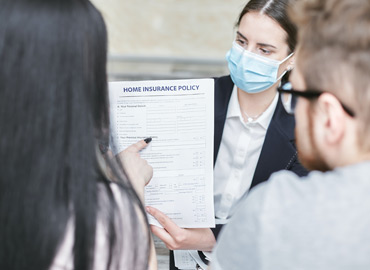
Mobile Home Insurance for Manufactured Housing Parks: A Comprehensive Guide Manufactured housing parks, often known as mobile home communities, offer an affordable and flexible lifestyle for millions of residents
However, owning a home in such a park comes with unique insurance considerations that differ from traditional site-built homes. Understanding the nuances of mobile home insurance is crucial for protecting your investment, your belongings, and your financial future.
Understanding the Unique Insurance Landscape
A key distinction in a manufactured housing park is the separation of land and structure. Typically, the park owns the land (the lot), while you own the home itself. This creates a shared responsibility model that directly impacts insurance needs.
* Your Responsibility: You are generally responsible for insuring the physical structure of your manufactured home, your personal belongings inside, and your personal liability.
* Park Management’s Responsibility: The park owner or management company is typically responsible for insuring common areas, amenities (clubhouse, pool), and the land itself. They may also carry liability coverage for incidents in communal spaces.
It is imperative to review your park’s lease or residency agreement. This document should outline the specific insurance requirements for homeowners, which are often mandatory for residency.
What Does Mobile Home Insurance Cover?
A robust mobile home insurance policy, sometimes called “manufactured home insurance,” is designed to address the specific risks associated with this housing type. A standard policy typically includes several core coverages:
1. Dwelling Coverage
This is the most critical component. It pays to repair or rebuild your manufactured home if it’s damaged or destroyed by a covered peril, such as:
* Fire, lightning, and smoke
* Windstorms and hail (note: specific wind deductibles may apply in hurricane-prone regions)
* Theft and vandalism
* Weight of ice, snow, or sleet
* Certain types of water damage (e.g., from a burst pipe, but typically not flooding)
Important: Ensure your dwelling coverage is based on the home’s replacement cost value (what it would cost to rebuild it today with similar materials) rather than its market value.
2. Other Structures Coverage
This covers detached structures on your lot that you own, such as a storage shed, carport, or deck.
3. Personal Property Coverage
This protects the contents of your home—furniture, electronics, clothing, and appliances—from the same covered perils. Consider whether you need actual cash value (depreciated value) or replacement cost coverage for your belongings.
4. Personal Liability Protection
If someone is injured on your lot or if you accidentally cause damage to someone else’s property (e.g., a guest’s vehicle), liability coverage helps pay for legal fees, medical bills, or repair costs.
5. Additional Living Expenses (ALE)
If a covered event makes your home temporarily uninhabitable, ALE helps pay for extra costs like hotel stays, restaurant meals, and laundry services while your home is being repaired.
Special Considerations and Optional Coverages
* Transportation Coverage: If you plan to move your home to a new park, inquire about transit insurance, as standard policies usually exclude damage during transport.
* Skipped Utilities / Vacancy: Inform your insurer if the home will be vacant for an extended period or if utilities are turned off, as this can affect coverage.
* Flood and Earthquake: These are almost always excluded from standard policies. Given that many parks are located in regions prone to these risks, purchasing separate flood insurance (often through the NFIP) or earthquake insurance is a wise consideration.
* Code Upgrades: If local building codes have changed since your home was built, bringing it up to code after a loss can be expensive. An “ordinance or law” endorsement can help cover these additional costs.
* Trip Collision: For homes still on wheels, this covers damage from collision while the home is being moved.
Tips for Park Residents
Obtain a copy of their insurance requirements and understand what their master policy covers. This prevents gaps and overlaps in coverage.
Many insurers offer discounts if you bundle your mobile home insurance with auto or other policies.
Create a home inventory with photos or videos of your possessions to streamline the claims process.
Install smoke detectors, secure skirting, and properly tie-down your home if required. These safety measures can prevent losses and may qualify you for premium discounts.
Compare quotes from insurers specializing in manufactured housing to ensure you’re getting the best coverage at a competitive rate.
Conclusion
Securing the right mobile home insurance is a non-negotiable aspect of responsible homeownership in a manufactured housing park. It provides peace of mind, knowing that your home, your possessions, and your financial well-being are protected against life’s unexpected events. By understanding the shared responsibilities within the park, selecting appropriate coverages, and working with a knowledgeable insurance agent, you can confidently enjoy the unique benefits of community living in your manufactured home.


